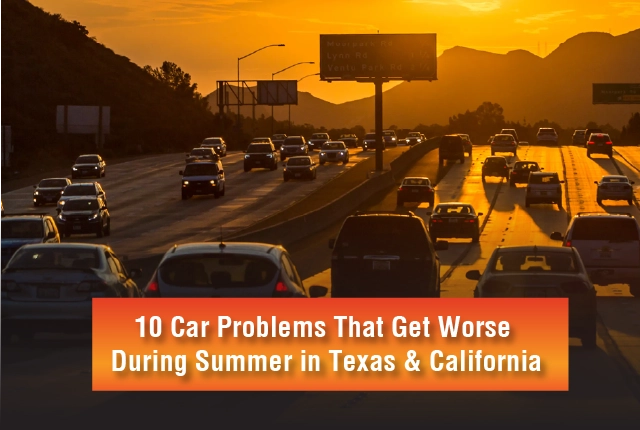
As temperatures continue rising across Texas and California, summer driving conditions can place enormous stress on vehicles. Whether you drive a dependable sedan like the Toyota Camry, a rugged Ford F 150, a Chevrolet Tahoe family SUV, or a Honda CR V daily commuter, extreme heat can quickly turn minor mechanical concerns into expensive repairs. Understanding the most common summer car problems Texas California drivers face can help prevent breakdowns, improve vehicle reliability, and ensure safer driving throughout the hottest months of the year.
The intense summer heat in both states affects engines, batteries, tires, air conditioning systems, fluids, and electronic components more aggressively than many drivers realise. Staying proactive with seasonal maintenance is essential for protecting your vehicle from long term damage.
Why Summer Heat Is Hard on Vehicles
High temperatures place additional strain on almost every part of a vehicle. Prolonged exposure to heat can weaken internal systems, reduce fluid efficiency, and accelerate component wear.
The rise in hot weather car issues USA drivers experience during summer often comes from a combination of heavy traffic, extended highway driving, extreme pavement temperatures, and increased air conditioning usage.
Key risks include:
- Reduced cooling system efficiency
- Faster battery deterioration
- Tire pressure fluctuations
- Increased engine stress
- Higher risk of overheating
- Air conditioning performance decline
Understanding these risks can help drivers avoid unexpected roadside emergencies during peak summer months.
Vehicle Issues That Get Worse in Hot Weather Conditions
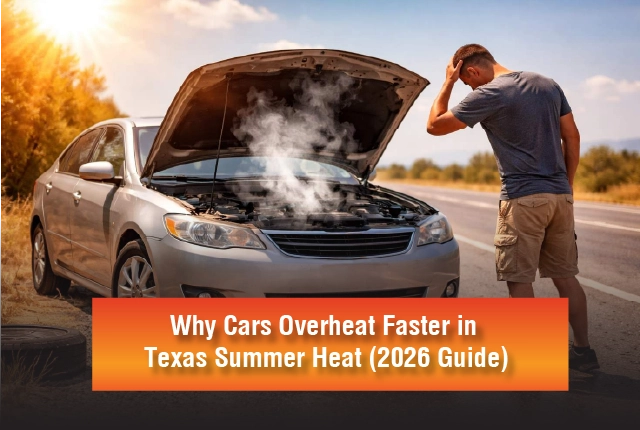
1. Engine Overheating
Extreme temperatures can push cooling systems beyond their limits, especially during heavy traffic or long distance driving.
Low coolant levels, radiator issues, or worn hoses can all contribute to severe overheating problems. The increase in engine overheating Texas cases during summer highlights the importance of regular cooling system inspections.
2. Car Battery Failure
Summer heat accelerates battery fluid evaporation and internal corrosion, reducing battery lifespan significantly.
Many drivers mistakenly assume batteries fail more often in winter, but excessive heat can actually cause serious hidden damage months earlier.
3. Air Conditioning Weakness
One of the most frustrating summer problems is poor AC performance.
Low refrigerant levels, compressor strain, or clogged cabin filters can reduce cooling efficiency during extreme heat conditions.
4. Tire Blowouts
Hot pavement temperatures increase tire pressure and stress, especially on underinflated or worn tires.
Regular tire inspections become critical during summer travel seasons.
5. Brake System Stress
Heavy traffic combined with high temperatures can increase brake wear and reduce stopping performance.
Brake fluid can also become less effective when exposed to prolonged heat.
Vehicle Summer Inspection Checklist
| Inspection Area | What to Check |
|---|---|
| Cooling System | Coolant levels and radiator condition |
| Battery | Corrosion and voltage health |
| Tires | Pressure and tread condition |
| Air Conditioning | Cooling efficiency |
| Engine Oil | Proper fluid levels |
| Brakes | Pad wear and braking response |
Proper inspections can help reduce the risk of major summer car problems Texas California drivers commonly face during extreme heat waves.
More Common Summer Vehicle Problems
6. Fluid Evaporation and Leaks
Extreme heat can accelerate fluid evaporation and expose weakened seals or hoses.
Coolant, brake fluid, transmission fluid, and power steering fluid all require regular monitoring.
7. Transmission Overheating
High temperatures combined with towing, traffic, or steep driving conditions can overwork transmission systems.
Delayed shifting or unusual noises may signal overheating problems.
8. Dashboard Warning Lights
Heat stress on sensors and electrical systems can trigger warning indicators unexpectedly.
Drivers should never ignore illuminated dashboard lights during summer months.
9. Worn Windshield Wipers
Intense sunlight and heat dry out rubber blades quickly, reducing visibility during sudden rainstorms or dusty conditions.
10. Interior Heat Damage
Extreme temperatures inside parked vehicles can damage dashboards, leather seats, infotainment screens, and interior trim materials.
Using sunshades and covered parking can help reduce interior deterioration.
Common Mistakes Drivers Make During Summer
Even experienced drivers often overlook simple maintenance tasks during hot weather.
Common mistakes include:
- Ignoring coolant inspections
- Delaying battery testing
- Driving with underinflated tires
- Neglecting AC servicing
- Ignoring dashboard warning lights
- Skipping seasonal vehicle inspections
Following proper summer car maintenance tips can help drivers avoid costly breakdowns and improve long term vehicle reliability.
Features Overview
| Summer Issue | Potential Risk |
|---|---|
| Overheated engine | Major engine damage |
| Weak battery | Sudden starting failure |
| Poor AC performance | Reduced driving comfort |
| Tire pressure increase | Blowout risks |
| Fluid evaporation | Mechanical system failure |
| Brake overheating | Reduced stopping power |
Many modern vehicles now include advanced temperature monitoring systems, but regular maintenance remains essential despite technological improvements.
Pro Tips for Protecting Your Vehicle During Summer
Check Coolant Levels Frequently
Maintaining proper coolant levels helps prevent overheating during high temperature driving.
Test Your Battery Before Long Trips
Battery inspections can identify weakness before unexpected failures occur.
Inspect Tire Pressure Regularly
Heat causes tire pressure to rise quickly during summer months.
Service Your Air Conditioning System
Routine AC maintenance improves cooling performance and efficiency.
Park in Shaded Areas
Reducing direct sunlight exposure helps protect both interior and mechanical systems.
The importance of following summer car maintenance tips becomes even greater for drivers travelling long distances across Texas and California during peak summer conditions.
Key Takeaways
- Summer heat places extreme stress on vehicle systems across Texas and California.
- Cooling systems, batteries, tires, and AC units are especially vulnerable.
- Preventive maintenance reduces breakdown risks and repair costs.
- Regular inspections improve driving safety and vehicle reliability.
- Understanding summer car problems Texas California drivers face can help prevent major mechanical failures.
Final Remarks
Summer driving conditions in Texas and California can become extremely demanding for vehicles, especially during extended heat waves and heavy traffic conditions. Small maintenance issues that seem minor during cooler months can quickly escalate into expensive repairs when exposed to intense temperatures.
By staying proactive with inspections, cooling system maintenance, battery testing, tire care, and fluid monitoring, drivers can significantly improve vehicle performance and reduce the likelihood of unexpected breakdowns. Preventive maintenance not only protects your investment but also ensures safer and more comfortable driving throughout the hottest months of the year.
Looking to stay informed about seasonal vehicle care, maintenance advice, automotive safety updates, and expert driving insights? Explore professional automotive resources and maintenance guides designed to help drivers make smarter vehicle ownership decisions across Texas, California, and the United States.
Looking to prepare your vehicle for extreme summer driving conditions? Explore Mr. Lee Car Experts for professional maintenance advice, cooling system inspections, battery testing support, AC servicing tips, tire care recommendations, and expert guidance designed to help drivers maintain reliable and road ready vehicles during the toughest summer months.
FAQs
Why do cars overheat more during summer?
Extreme temperatures place extra stress on cooling systems, especially during traffic congestion and long highway drives.
Does summer heat damage car batteries?
Yes. High temperatures accelerate battery fluid evaporation and internal corrosion.
How often should tire pressure be checked during summer?
Drivers should inspect tire pressure at least once every few weeks during hot weather conditions.
Why does air conditioning performance weaken during summer?
Low refrigerant levels, compressor strain, and clogged filters can reduce cooling efficiency.
What is the best way to prevent summer vehicle problems?
Regular maintenance, fluid inspections, battery testing, and cooling system servicing help reduce breakdown risks.