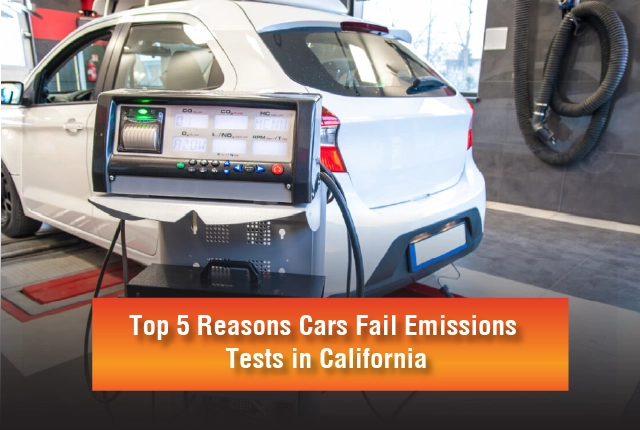
California has some of the strictest vehicle emissions regulations in the United States. With increasing environmental standards and tougher inspections in 2026, many drivers are discovering that even minor vehicle issues can cause a failed smog inspection. Whether you drive a reliable Honda Accord, a fuel-efficient Toyota Prius, or a luxury Mercedes-Benz C-Class, understanding the common causes of emissions failures can help you avoid expensive repairs, registration delays, and repeated testing fees.
Understanding the common reasons California drivers fail emissions tests is essential for maintaining optimal vehicle performance, improving fuel efficiency, reducing repair costs, and ensuring compliance with state emissions regulations.
Why California Emissions Tests Are Important
California’s emissions testing program is designed to reduce harmful pollutants released into the atmosphere. Smog inspections help identify vehicles producing excessive emissions that contribute to air pollution and poor air quality.
When a vehicle fails an emissions inspection, it may indicate underlying engine or exhaust system problems that can affect:
- Fuel efficiency
- Engine performance
- Air quality compliance
- Vehicle reliability
- Long-term repair costs
Understanding the reasons cars fail emissions tests California vehicle owners commonly face can help drivers take preventive action before inspection day.
Common Causes of Emissions Test Failures
Several mechanical and electronic issues can trigger an emissions failure during California smog inspections.
1. Illuminated Check Engine Light
One of the most common reasons vehicles fail emissions inspections is an active dashboard warning light. Even if the car appears to drive normally, an illuminated warning indicator can automatically result in failure.
Issues related to check engine light failing smog test problems often include engine misfires, fuel system malfunctions, or sensor-related faults.
Ignoring warning lights can allow minor issues to become more serious and expensive over time.
2. Faulty Catalytic Converter
The catalytic converter plays a critical role in reducing harmful exhaust emissions before gases exit the tailpipe. A damaged or clogged converter can cause excessive pollution levels and poor engine efficiency.
Many drivers experience faulty catalytic converter emissions test fail situations when the converter becomes worn out due to age, overheating, or internal contamination.
Replacing a failing catalytic converter early can help restore emissions compliance and improve vehicle performance.
3. Worn Oxygen Sensors
Problems related to bad oxygen sensor smog test failure cases often trigger poor fuel economy, rough idling, and inaccurate engine readings.
Routine diagnostics can help detect failing oxygen sensors before they cause larger emissions-related issues.
4. Incomplete Readiness Monitors
Modern vehicles rely on onboard diagnostic systems that continuously monitor emissions-related components. After battery disconnection or recent repairs, some monitors may not complete their self-check cycles.
Incomplete monitor systems are among the growing reasons cars fail emissions tests California drivers encounter after resetting vehicle computers or delaying drive cycles before inspections.
Proper driving cycles and pre-inspection checks can help ensure monitors are fully ready before testing.
5. Fuel System and Evaporative Emissions Problems
Leaks in the fuel system or evaporative emissions system can allow harmful fuel vapors to escape into the environment. Damaged gas caps, cracked hoses, or malfunctioning EVAP components frequently contribute to inspection failures.
Issues connected to check engine light failing smog test warnings are often linked to evaporative system leaks that may seem minor but significantly impact emissions performance.
Warning Signs Your Vehicle May Fail a Smog Test
Recognizing early symptoms can help drivers avoid unexpected inspection failures and expensive repairs later.
Watch for:
- Illuminated dashboard warning lights
- Reduced fuel efficiency
- Rough engine idle
- Excessive exhaust smoke
- Strong fuel odors
- Sluggish acceleration
Problems such as faulty catalytic converter emissions test fail conditions may also cause rattling noises or reduced engine power during acceleration.
Essential Maintenance Tips to Pass California Emissions Tests
Following a proactive maintenance routine can improve your chances of passing emissions inspections successfully.
1. Address Check Engine Lights Immediately
Diagnostic scans can identify hidden problems before they worsen or cause automatic test failures.
2. Replace Air Filters Regularly
Clean air filters improve combustion efficiency and reduce harmful emissions output.
3. Maintain the Exhaust System
Routine inspections help identify leaks, corrosion, and damaged components affecting emissions performance.
4. Complete Proper Drive Cycles
After battery replacement or repairs, allow sufficient driving time for system monitors to reset fully.
5. Schedule Preventive Inspections
Professional inspections can detect problems related to bad oxygen sensor smog test failure situations before official testing begins.
California Smog Test Failure Prevention Checklist
| Maintenance Task | Why It Matters |
|---|---|
| Engine Diagnostics | Identifies hidden faults |
| Oxygen Sensor Inspection | Improves fuel efficiency |
| Catalytic Converter Check | Reduces harmful emissions |
| Air Filter Replacement | Enhances airflow and combustion |
| EVAP System Inspection | Prevents fuel vapor leaks |
| Pre-Test Drive Cycle | Completes readiness monitors |
Costly Mistakes Drivers Should Avoid
Many emissions failures occur because drivers delay maintenance or ignore early warning signs.
Avoid these common mistakes:
- Ignoring dashboard warning lights
- Delaying engine diagnostics
- Resetting the battery before inspections
- Skipping routine tune-ups
- Using poor-quality replacement parts
Preventive maintenance remains one of the most effective ways to reduce repair costs and improve emissions compliance.
Pro Tips for Passing California Emissions Tests
- Schedule inspections before registration deadlines
- Drive your vehicle regularly before testing
- Use manufacturer-approved replacement components
- Repair warning lights immediately
- Keep maintenance records updated
- Inspect fuel and exhaust systems routinely
Professional servicing and regular diagnostics can significantly improve your vehicle’s emissions performance and long-term reliability.
Key Takeaways
- California emissions regulations are becoming stricter in 2026
- Dashboard warning lights frequently cause automatic failures
- Catalytic converter and oxygen sensor issues are common problems
- Routine maintenance improves emissions compliance
- Early diagnostics help reduce repair expenses
Final Thoughts
California’s strict emissions standards are encouraging drivers to maintain cleaner, more efficient vehicles in 2026. Understanding the most common causes of emissions failures can help vehicle owners avoid unnecessary stress, costly repairs, and registration complications.
By following preventive maintenance practices, addressing warning signs early, and scheduling regular inspections, drivers can improve vehicle reliability and increase the likelihood of passing smog inspections successfully.
For expert automotive advice, maintenance insights, and professional vehicle care guidance, explore trusted resources designed to help drivers across the United States maintain peak vehicle performance and emissions compliance.
Keep your vehicle operating efficiently and environmentally compliant with expert recommendations from automotive professionals who understand California’s demanding emissions standards.
FAQs
What is the most common reason cars fail California emissions tests?
An illuminated check engine light is one of the leading causes of emissions inspection failures.
Can a faulty catalytic converter cause a smog test failure?
Yes, damaged catalytic converters often increase exhaust pollution levels and result in failed inspections
How do oxygen sensors affect emissions testing?
Faulty oxygen sensors disrupt fuel mixture control, increasing emissions and reducing engine efficiency.
Can resetting my battery affect emissions testing?
Yes, resetting the battery may clear readiness monitors, causing incomplete system checks during inspections
How can I improve my chances of passing a smog test?
Routine maintenance, early diagnostics, proper drive cycles, and timely repairs can significantly improve your chances of passing.