

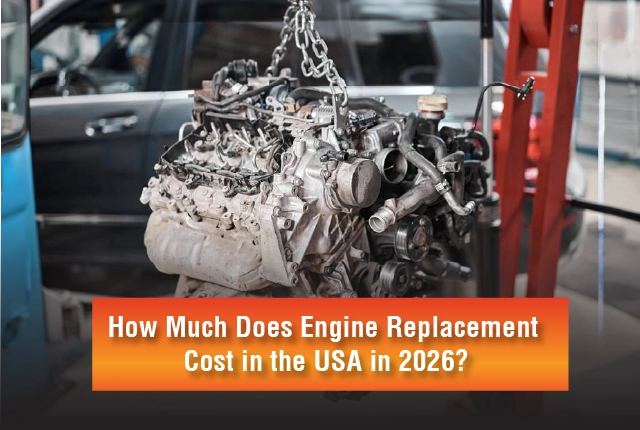
There are few car problems more stressful than hearing a loud knocking sound from the engine bay or seeing smoke pour from under the hood. For many drivers across the United States, engine failure instantly raises one major questions where Is it worth fixing the car, or is it time to move on?
In 2026, that decision has become far more complicated than it used to be.
Modern vehicles are now loaded with advanced electronics, turbocharged systems, hybrid-assisted drivetrains, and software-controlled engine management systems. Replacing an engine today is no longer just a mechanical repair. It often involves computer calibration, sensor integration, emissions programming, and extensive labor hours. At the same time, rising technician shortages and inflation have pushed repair costs significantly higher across the country.
That is why the engine replacement cost in the USA 2026 has become one of the most searched automotive topics this year. For many Americans, replacing an engine is still cheaper than buying a new vehicle with today’s high interest rates and rising monthly payments. However, understanding the real costs involved is critical before making a financial decision.
This blog explains the average car engine replacement price that USA drivers are paying in 2026, what affects labor costs, whether rebuilt engines are worth it, and how to avoid spending more than necessary.
What Is the Average Engine Replacement Cost in the USA in 2026?
The average engine replacement cost in the United States now ranges between $4,500 and $12,000 for most standard gasoline-powered vehicles. However, pricing varies heavily depending on the vehicle’s age, engine type, and repair complexity.
Older sedans and naturally aspirated engines usually sit at the lower end of the pricing spectrum. Newer turbocharged vehicles, luxury SUVs, and hybrid-assisted engines often cost significantly more because of additional software calibration and electronic integration.
Used engines generally cost between $1,500 and $4,000, while rebuilt or remanufactured engines usually range from $3,500 to $6,500. Brand-new crate engines can exceed $10,000 before labor is even added.
Why Engine Replacement Costs Are Rising in 2026?
The automotive industry has changed dramatically over the past decade. Modern engines are now deeply connected to a vehicle’s electronic systems, making replacements more time-consuming and technically demanding.
Today’s engine replacement process often requires:
- ECU programming
- Sensor recalibration
- Transmission communication syncing
- Emissions validation
- Software reflashing
These added procedures increase labor time and require highly trained technicians.
The shortage of certified automotive technicians across the US has also caused labor rates to rise sharply. In major cities like New York, San Francisco, Seattle, and Chicago, many repair facilities now charge more than $200 per labor hour. Even independent repair shops have raised pricing due to increased demand and supply chain costs.
Labor Costs Have Become the Biggest Expense
Many car owners focus only on the price of the replacement engine itself, but labor has become one of the largest parts of the bill in 2026. Replacing an engine involves removing major drivetrain components, disconnecting complex wiring systems, reprogramming computers, and testing electronic communication systems after installation.
For a standard domestic vehicle, the process usually requires between 15 and 25 labor hours. Luxury vehicles, imports, and hybrid systems can take over 40 hours.
Regional differences also matter. Drivers in California and the Northeast generally pay the highest labor rates in the country. Meanwhile, some Southern and Midwestern states offer slightly lower repair pricing because of lower shop overhead and stronger parts availability.
However, cheaper labor markets do not always mean lower total costs. In rust-prone Northern states, corroded bolts and damaged frames can increase repair times significantly.
Rebuilt vs Used Engines: Which One Makes More Sense?
One of the biggest financial decisions during an engine replacement is choosing between a used engine, a rebuilt engine, or a brand-new engine.
A used engine is typically the cheapest route. In 2026, many salvage yards will provide digital engine health reports using telematics data pulled from donor vehicles. Buyers can often verify mileage history, maintenance records, and diagnostic information before purchasing.
While used engines can reduce costs substantially, they still carry some risk because internal wear cannot always be fully verified. Experts recommend choosing a used engine only if it includes at least a six-month warranty.
For many drivers, a rebuilt engine cost USA option offers the best balance between reliability and affordability. A rebuilt engine is disassembled, cleaned, machined, and fitted with new wear components such as bearings, piston rings, seals, and gaskets. These engines are especially popular for SUVs, trucks, and vehicles that are still in otherwise strong condition.
Brand-new crate engines remain the most expensive option but usually include the strongest warranty coverage. They are commonly used in performance vehicles, heavy-duty trucks, and long-term restoration projects.
The Growing Legacy Revive Trend in America
One of the most interesting automotive trends in 2026 is the rise of what many enthusiasts call the Legacy Revive movement.
Instead of purchasing expensive new vehicles, many Americans are choosing to modernize older vehicles with newer, more efficient engines. This trend has become especially popular among truck owners and SUV drivers who want better fuel economy without taking on a large auto loan. Modern turbocharged four-cylinder engines are increasingly being swapped into older trucks and SUVs to improve efficiency and extend vehicle life.
A professional engine swap cost 2026 project can range from $7,000 to $9,000, but many owners still see it as a better financial decision than purchasing a new vehicle with high monthly payments.
Why Your Location Changes the Price?
The car engine maintenance in the USA market varies heavily depending on where you live.
Southern states such as Georgia, Tennessee, and South Carolina often benefit from better parts availability because of nearby manufacturing hubs. This can reduce repair delays and improve pricing competition. In Northern states like Michigan, Ohio, and Pennsylvania, rust-related complications can increase labor time considerably. Technicians often spend extra hours dealing with seized bolts, damaged mounts, and corroded components.
West Coast drivers generally face the highest engine replacement costs because of elevated labor rates, stricter emissions regulations, and higher operating costs for repair facilities.
Is Replacing the Engine Worth It?
Most mechanics still follow the classic 50% Rule. If the total engine replacement cost exceeds 50% of the vehicle’s current market value, replacing the engine may not make financial sense. However, 2026 has changed the way many Americans look at this rule. The key factor is the overall health of the vehicle. Before approving an engine replacement, drivers should always request a complete inspection of the transmission, suspension, electronics, and frame condition.
If multiple systems are already failing, replacing the engine may only delay larger repair expenses.
| Engine Type | Best For | Estimated Total Cost (2026) | Key Benefit |
| Used Engine | Budget-friendly repairs | $4,500 – $7,000 | Lowest upfront cost |
| Rebuilt Engine | Long-term reliability | $6,000 – $9,500 | Balanced cost and durability |
| New Crate Engine | Luxury or performance vehicles | $8,500 – $15,000 + | Maximum lifespan and warranty |
Smart Ways to Reduce Engine Replacement Costs
Drivers looking to save money in 2026 should always compare multiple repair estimates before approving work. Prices can vary dramatically between dealerships, independent shops, and engine specialists. Remanufactured engines are often one of the best value options because they provide improved reliability while costing less than a completely new engine.
Warranty coverage also matters more than ever. A strong nationwide warranty can save thousands if problems occur after installation. Most importantly, preventative maintenance remains the cheapest way to avoid catastrophic engine failure. Regular synthetic oil changes, cooling system inspections, and early diagnostic checks can dramatically extend engine life.
Final Thoughts
The engine replacement in the USA 2026 is no longer a simple repair expense. It is now influenced by advanced vehicle technology, labor shortages, regional pricing differences, and economic factors across the automotive industry.
For some drivers, replacing the engine is still the smartest financial move, especially if the vehicle is reliable, paid off, and in otherwise excellent condition. For others, it may make more sense to upgrade to another vehicle before additional repairs appear.
The best decision comes down to understanding your vehicle’s overall condition, comparing repair estimates carefully, and evaluating long-term ownership costs. In today’s market, maintaining a dependable vehicle can often be more affordable than stepping into an expensive new car loan.
Frequently Asked Questions
1. What is the average engine replacement cost in the USA in 2026?
The average car engine replacement price in the USA ranges from $4,500 to $12,000, depending on the vehicle type, labor costs, and engine complexity.
2. Is a rebuilt engine worth it in 2026?
Yes. A rebuilt engine cost USA option is often more affordable than buying a new vehicle and usually offers strong reliability when installed by a reputable shop.
3. How can I lower engine replacement labor costs?
You can reduce engine replacement labor costs by comparing repair shops, considering remanufactured engines, and verifying warranty coverage before installation.
Regular oil changes and early diagnostics remain the best way to avoid expensive engine repairs in 2026. Just have a look at Mr.Leecar Experts for the latest US-based car trends, automotive news, maintenance hacks, and upcoming vehicle launches.