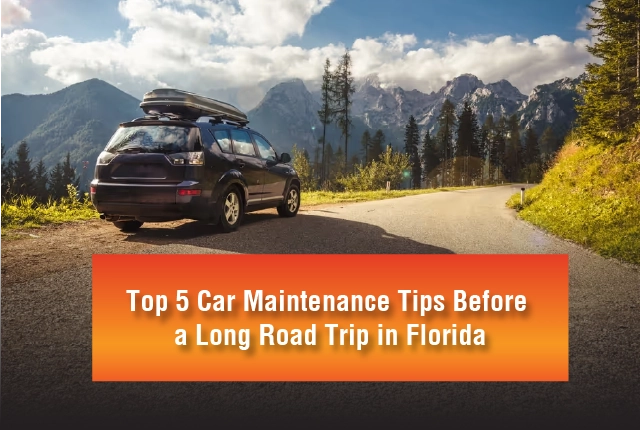
Florida is built for road trips. From the scenic Overseas Highway connecting the Florida Keys to the coastal beauty of A1A and the busy interstates leading to Orlando, Miami, and Tampa, the Sunshine State offers some of America’s most unforgettable drives. But Florida’s climate can be brutal on vehicles. Extreme heat, heavy humidity, sudden rainstorms, and long highway stretches create the perfect conditions for unexpected car trouble.
Many drivers focus on planning hotels, attractions, and routes while overlooking the most important part of the trip and vehicle preparation. A poorly maintained car can quickly turn a relaxing vacation into an expensive roadside emergency. Tire blowouts, overheating engines, dead batteries, and brake failures become far more common during peak travel seasons across Florida.
That is why car maintenance before a long road trip matters more in Florida than in many other states. Proper preparation not only reduces the risk of breakdowns but also improves fuel efficiency, safety, and overall driving comfort.
This Florida road trip car maintenance blog explains the most important inspections every driver should complete before traveling in 2026. Whether you are driving through South Florida traffic, cruising along the Gulf Coast, or taking a family vacation to Central Florida, these preventative maintenance tips can help keep your trip safe and stress-free.
Why Florida Is Hard on Vehicles?
Florida’s environment creates constant stress on modern vehicles. Unlike colder states, where winter causes most mechanical problems, Florida’s heat and humidity affect cars throughout the entire year. High pavement temperatures increase tire pressure and raise the risk of blowouts. Humidity accelerates battery corrosion and shortens battery life. Sudden tropical rainstorms reduce visibility and increase hydroplaning risks. Coastal salt air can also speed up rust and corrosion underneath the vehicle.
Because of these conditions, essential maintenance tips for car inspection become extremely important before driving long distances in Florida.
1. Check Your Battery Before Leaving
Heat is one of the biggest causes of battery failure in Florida. High temperatures accelerate internal chemical reactions, causing batteries to wear out faster than expected. A battery may still appear normal during short local drives but fail after sitting in direct sunlight during a road trip stop. This is especially common during summer travel months.
Before leaving for a long trip, inspect the battery for corrosion around the terminals or swelling around the battery case. If the battery is older than three years, a professional load test is highly recommended. Battery failures are among the most common roadside assistance calls in Florida during hot weather.
2. Inspect Tire Pressure and Tread Depth
Tires play a critical role in road trip safety, especially on Florida highways where asphalt temperatures can become extremely high. Underinflated tires generate excess heat, increasing the chances of dangerous blowouts during long interstate drives. Drivers should always check tire pressure early in the morning when tires are cold and follow the PSI recommendation listed on the driver-side door sticker.
Tread depth is equally important because Florida experiences sudden heavy rainstorms that can cause hydroplaning. Worn tires struggle to channel water away from the road surface effectively.
A simple penny test can help determine whether the tread is too low for safe travel. If the top of Lincoln’s head is visible when the penny is inserted upside down, the tires likely need replacement.
Do not forget to inspect the spare tire as well. Florida humidity can dry-rot spare tires even when they are rarely used.
3. Inspect the Cooling System
Florida traffic and summer temperatures place enormous strain on vehicle cooling systems. Engines work much harder during stop-and-go traffic in cities like Miami, Orlando, and Tampa.
Low coolant levels, worn hoses, or radiator problems can quickly lead to overheating during long drives. Drivers should inspect coolant levels, radiator hoses, cooling fans, and water pumps before traveling. Even small coolant leaks can become major mechanical problems under Florida’s heat.
The best time to service the car before a road trip is approximately one to two weeks before departure. This provides enough time to identify and fix potential issues before leaving.
4. Replace Wiper Blades Before Rainy Season Travel
Florida weather changes quickly, especially during summer afternoons when sudden storms are common. Worn windshield wipers reduce visibility and increase accident risks during heavy rain. Heat exposure also causes wiper rubber to dry out faster than in cooler states.
If wiper blades leave streaks, squeak, or skip across the windshield, they should be replaced immediately before traveling. Good visibility remains one of the top car safety checks before long drive vacations in Florida.
5. Test Your Air Conditioning System
In Florida, air conditioning is more than a comfort feature. During long drives or traffic delays, cabin temperatures can rise rapidly and create dangerous conditions, especially for children and older passengers. If the AC system takes too long to cool or if the airflow feels weak, the system may require maintenance before the trip.
A clogged cabin air filter can also reduce cooling efficiency. Replacing the filter is inexpensive and often improves airflow immediately. Many drivers overlook this simple maintenance step before road trips.
Inspect Brakes Before Long Highway Travel
Florida road trips involve heavy traffic, frequent braking, and wet road conditions. Brake performance becomes even more important during sudden rainstorms and crowded tourist traffic.
Drivers should pay attention to squealing sounds, steering wheel vibrations, or soft brake pedal feel. These signs may indicate worn brake pads or rotor issues. Brake inspections should always be part of a car maintenance checklist before long drive vacations.
Keep an Emergency Kit Inside the Vehicle
Even properly maintained vehicles can experience unexpected problems during long trips. Every Florida road trip vehicle should carry a basic emergency kit containing jumper cables, bottled water, a flashlight, reflective warning triangles, and a portable phone charger. Florida heat can become dangerous quickly if drivers become stranded on the roadside without supplies.
When Should You Service Your Car Before a Road Trip?
Automotive experts recommend scheduling maintenance at least one to two weeks before departure. This timeline allows drivers to test the vehicle after repairs and identify any additional issues before beginning the trip. Waiting until the last minute increases the risk of unexpected problems during travel. A professional pre-trip inspection provides additional peace of mind for long-distance Florida driving.
Final Thoughts
Florida offers some of the best road trip experiences in the United States, but the state’s extreme climate can place serious stress on vehicles. High heat, humidity, heavy rain, and long highway drives create conditions that increase the likelihood of mechanical failures. Completing an essential pre-trip car inspection before traveling helps reduce risks, improve vehicle performance, and protect passengers during long drives.
Drivers who prioritize preventative maintenance are far less likely to experience breakdowns, overheating, tire failures, or emergency roadside delays during their Florida adventures. Before your next trip, make vehicle preparation part of your travel planning process. A properly maintained car can make the difference between a stressful journey and a smooth, enjoyable road trip across the Sunshine State.
Frequently Asked Questions
What should be included in a car maintenance checklist before a long drive?
Drivers should inspect tires, brakes, coolant levels, battery condition, windshield wipers, lights, and fluid levels before beginning a long road trip.
What are the top car safety checks before long drive vacations?
The most important safety checks include tire tread inspection, brake testing, battery health evaluation, cooling system checks, and windshield visibility preparation.
When is the best time to service a car before a road trip?
The ideal time is one to two weeks before departure to allow enough time for repairs and follow-up inspections if needed.
For more road trip hacks, maintenance tips, car news, launches, and US automotive trends, have a look at Mr.Leecar experts.