

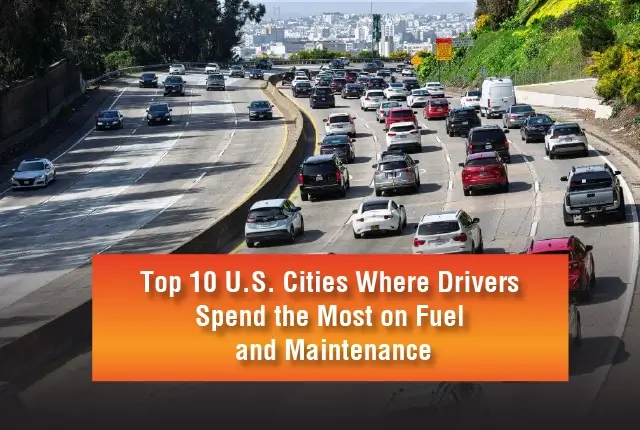
Owning a vehicle remains essential for millions of Americans, but the true expense of driving extends far beyond monthly loan payments. In 2026, rising fuel prices, increasing repair expenses, and higher servicing costs are making vehicle ownership more expensive in many metropolitan areas across the country.
While some cities offer relatively affordable driving conditions, others place a significant financial burden on motorists due to elevated fuel costs, heavy traffic congestion, expensive labor rates, and frequent vehicle wear and tear. Understanding these factors can help drivers better manage their budgets and make informed transportation decisions.
This guide explores the Top 10 U.S. cities where drivers spend the most on fuel and maintenance, highlighting the growing car ownership costs that continue to impact urban commuters nationwide.
Why Car Ownership Costs Continue Rising in 2026?
Several economic and infrastructure-related factors are contributing to higher vehicle expenses across America.
Major cost drivers include:
- Increasing fuel prices
- Rising labor and repair charges
- Traffic congestion and idle time
- Higher insurance premiums
- Inflation affecting automotive parts
- Growing maintenance requirements for aging vehicles
These factors collectively increase overall car ownership costs, particularly in densely populated metropolitan regions.
Understanding the Hidden Cost of Car Ownership
Many drivers focus primarily on monthly vehicle payments, but the actual expense of owning a car includes numerous additional costs.
The hidden cost of car ownership often includes:
- Fuel expenses
- Oil changes and servicing
- Tire replacement
- Brake repairs
- Registration fees
- Parking costs
- Insurance premiums
- Unexpected repairs
In high-cost cities, these expenses can add thousands of dollars annually to vehicle ownership.
The Top 10 Most Expensive U.S. Cities for Car Owners in 2026
1. Los Angeles, California
Los Angeles consistently ranks among the most expensive cities for drivers.
- Heavy traffic congestion
- Long commuting distances
- High gasoline prices
- Frequent brake and tire wear
Drivers often spend significantly more on both fuel and routine servicing compared to the national average.
2. San Francisco, California
San Francisco’s combination of steep terrain, dense traffic, and elevated labor rates contributes to exceptionally high vehicle expenses.
Major cost factors include:
- Premium fuel prices
- Expensive repair labor
- Parking costs
- Frequent stop-and-go driving
The city remains one of the leading examples of rising car maintenance costs by city.
3. New York City, New York
Despite extensive public transportation options, vehicle ownership remains costly for residents who rely on personal transportation.
Drivers face:
- Expensive fuel
- High parking fees
- Increased insurance costs
- Higher maintenance expenses
These factors make New York one of the most expensive cities for drivers in 2026.
4. Seattle, Washington
Seattle’s growing population and increasing traffic congestion are pushing vehicle ownership expenses higher each year.
Drivers frequently encounter:
- Rising fuel prices
- Costly repair services
- Increased tire wear from wet road conditions
- Lengthy commuting times
5. Chicago, Illinois
Chicago drivers face a combination of harsh winters and heavy urban traffic.
These conditions often result in:
- Increased maintenance frequency
- Suspension repairs
- Tire replacements
- Higher fuel consumption
The city’s climate plays a major role in overall car ownership costs.
6. Miami, Florida
Miami’s growing population and busy road network continue to drive vehicle expenses upward.
Key challenges include:
- Elevated fuel costs
- Heavy traffic
- Increased air-conditioning usage
- Accelerated wear from heat and humidity
These factors contribute to higher annual ownership expenses.
7. Boston, Massachusetts
Boston’s aging road infrastructure and seasonal weather create additional maintenance demands.
Common expenses include:
- Suspension repairs
- Tire replacements
- Brake servicing
- Fuel consumption during congested commutes
Many residents underestimate the hidden cost of car ownership in the city.
8. Denver, Colorado
Denver drivers face unique challenges due to changing weather conditions and increasing urban growth.
Cost factors include:
- Fuel price fluctuations
- Tire wear from varying road conditions
- Growing maintenance expenses
- Longer suburban commutes
9. Austin, Texas
Austin’s rapid expansion has resulted in heavier traffic and longer daily commutes.
Drivers frequently experience:
- Increased fuel spending
- Higher maintenance needs
- Congestion-related vehicle wear
- Rising service labor rates
The city continues climbing rankings for fuel prices by city and vehicle operating costs.
10. Washington, D.C.
The nation’s capital rounds out the list due to congestion and elevated living expenses.
Drivers often face:
- Long commuting times
- Expensive fuel
- High repair costs
- Significant parking expenses
Vehicle ownership remains a considerable financial commitment for many residents.
Fuel Prices by City: A Major Cost Driver
Fuel remains one of the largest recurring expenses for vehicle owners.
Cities with the highest fuel expenses often share several characteristics:
- Dense traffic congestion
- Longer average commute times
- Higher state fuel taxes
- Limited alternative transportation options
As fuel prices fluctuate throughout 2026, urban drivers continue to feel the financial impact.
Car Maintenance Costs by City Continue Increasing
Routine maintenance costs vary significantly depending on location.
Factors affecting car maintenance costs by city include:
1. Labor Rates
Urban repair shops often charge substantially higher labor fees than smaller markets.
2. Parts Availability
Supply chain costs and regional demand can increase parts pricing.
3. Climate Conditions
Extreme heat, snow, humidity, and road salt accelerate vehicle wear.
4. Traffic Patterns
Frequent stop-and-go driving places additional stress on:
- Brakes
- Tires
- Engines
- Transmissions
These conditions increase servicing frequency and repair costs.
Most Expensive Cities for Drivers: Common Characteristics
The most expensive cities for drivers typically share several important factors:
Heavy Traffic Congestion
More time spent idling increases fuel consumption and vehicle wear.
Higher Cost of Living
Repair labor, parking, and insurance often cost more in major metropolitan areas.
Longer Commutes
Extended driving distances lead to higher annual fuel expenses and maintenance requirements.
Greater Vehicle Usage
Urban residents often face daily driving conditions that accelerate wear on critical vehicle components.
How Drivers Can Reduce Car Ownership Costs
Although ownership expenses continue rising, drivers can take several steps to lower costs.
Maintain Proper Tire Pressure
Correct tire inflation improves fuel efficiency and reduces premature wear.
Follow Scheduled Maintenance
Routine servicing helps prevent expensive repairs later.
Drive Efficiently
Avoiding aggressive acceleration and braking can improve fuel economy.
Compare Fuel Prices
Using fuel-tracking apps can help drivers identify lower-cost stations.
Address Small Problems Early
Minor repairs often become significantly more expensive when ignored.
These practices can reduce the overall hidden cost of car ownership.
Comparing Annual Fuel and Maintenance Expenses
City | Fuel Costs | Maintenance Costs | Overall Driver Expense |
Los Angeles | Very High | High | Very High |
San Francisco | Very High | Very High | Very High |
New York City | High | High | Very High |
Seattle | High | High | High |
Chicago | Moderate | High | High |
Miami | High | Moderate | High |
Boston | High | High | High |
Denver | Moderate | Moderate | Moderate-High |
Austin | Moderate-High | Moderate | Moderate-High |
Washington, D.C. | High | High | High |
Future Trends Affecting Car Ownership Costs
Several emerging trends could reshape vehicle expenses in the coming years.
Growth of Electric Vehicles
EV adoption may reduce fuel expenses while introducing new maintenance considerations.
Smarter Vehicle Technology
Predictive maintenance systems may help drivers identify issues earlier.
Expanding Public Transportation
Some cities are investing heavily in alternative transportation options.
Improved Fuel Efficiency
Modern vehicles continue delivering better fuel economy than previous generations.
These developments could help offset some of the rising car ownership costs facing drivers today.
Key Takeaways
- Rising fuel prices continue increasing overall car ownership costs across America.
- Los Angeles, San Francisco, and New York rank among the most expensive cities for drivers.
- Urban congestion significantly impacts fuel consumption and maintenance requirements.
- Understanding fuel prices by city helps drivers better manage transportation expenses.
- Growing car maintenance costs by city are becoming a major financial concern.
- The hidden cost of car ownership includes fuel, servicing, repairs, insurance, parking, and vehicle depreciation.
Final Thoughts
Vehicle ownership remains a necessity for many Americans, but the financial realities of driving vary dramatically depending on location. Cities with heavy traffic, elevated fuel prices, and expensive repair services place a much larger burden on drivers than many realize.
As fuel and maintenance expenses continue rising throughout 2026, understanding local ownership costs can help consumers make smarter transportation decisions and better manage long-term vehicle expenses. Whether you’re commuting daily in Los Angeles, navigating New York City’s busy streets, or driving through Seattle’s growing urban landscape, proactive maintenance and efficient driving habits remain the best ways to control costs.
For expert automotive insights, maintenance tips, and vehicle ownership guidance, stay informed about the latest trends shaping America’s transportation landscape.
FAQs
1. Which U.S. city has the highest car ownership costs in 2026?
Los Angeles and San Francisco are among the most expensive cities due to high fuel prices, traffic congestion, and maintenance expenses.
2.Why do fuel prices vary by city?
Fuel prices are influenced by local taxes, transportation costs, market demand, and regional regulations.
3. What contributes most to car maintenance costs by city?
Labor rates, traffic conditions, climate, road quality, and parts pricing significantly affect maintenance expenses.
4.What is the hidden cost of car ownership?
Beyond loan payments, ownership costs include fuel, maintenance, insurance, parking, registration fees, and depreciation.
5.How can drivers reduce overall car ownership costs?
Regular maintenance, efficient driving habits, monitoring tire pressure, and comparing fuel prices can help reduce long-term vehicle expenses.


