Electric vehicles were expected to dominate America’s roads by now. Just a few years ago, industry forecasts predicted a rapid transition away from gasoline-powered vehicles, with battery-electric cars becoming the default choice for millions of households. Government incentives, ambitious automaker investments, and growing environmental awareness all pointed toward an all-electric future.
Instead of fully electric vehicles becoming the clear winner, hybrid cars are experiencing an unprecedented surge in popularity. Families, commuters, fleet owners, and first-time buyers are increasingly choosing vehicles that combine gasoline engines with electric motors rather than relying entirely on batteries.
Unlike fully electric vehicles, hybrids offer fuel savings without requiring lifestyle changes. Drivers don’t need to install home charging equipment, search for public charging stations, or carefully plan long-distance road trips around charging availability. Instead, they enjoy improved fuel economy while refueling exactly as they always have.
This growing demand has encouraged manufacturers like Toyota, Honda, Hyundai, Ford, and Kia to significantly expand their hybrid lineups, introducing more SUVs, sedans, trucks, and crossovers equipped with advanced hybrid technology.
Let’s examine the key reasons behind America’s growing preference for hybrid vehicles and what this trend means for anyone shopping for a new car this year.
The Hybrid Market Is No Longer a Niche
There was a time when buying a hybrid meant sacrificing performance, interior space, or driving enjoyment. Early-generation hybrids earned a reputation for being practical but uninspiring, primarily appealing to environmentally conscious buyers looking to maximize fuel economy.
That perception has changed dramatically.
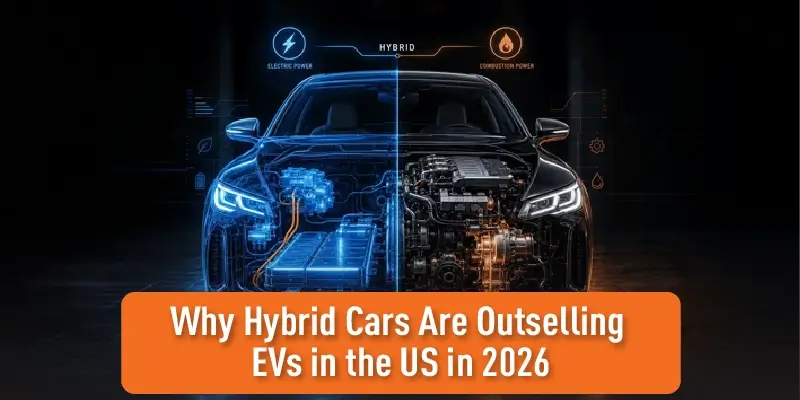
Modern hybrid vehicles deliver faster acceleration, smoother power delivery, quieter cabins, and significantly improved technology. Electric motors provide instant torque during acceleration, while gasoline engines seamlessly take over during highway driving. The result is a driving experience that often feels more refined than conventional gasoline vehicles.
Automakers have also recognized that buyers no longer want hybrids to look different simply because they’re fuel-efficient. Today’s hybrid SUVs and sedans feature premium interiors, advanced driver-assistance systems, large infotainment displays, wireless connectivity, and all-wheel-drive options that compete directly with traditional gasoline models.
Instead of treating hybrid technology as a compromise, manufacturers now position it as the premium powertrain across many model ranges.
This shift has transformed consumer perception, making hybrids appealing to a much broader audience.
Federal EV Incentives Ended, And Buyers Changed Their Priorities
One of the biggest turning points in the hybrid cars vs EVs debate came after federal incentives for many electric vehicles came to an end. For years, federal EV tax credits significantly lowered the cost of eligible electric vehicles, making their higher purchase prices more appealing to budget-conscious buyers. However, once many of these incentives expired, the financial equation changed almost overnight. Without substantial tax credits reducing the purchase price, consumers began comparing vehicles based on their actual dealership prices rather than subsidized costs.
For many shoppers, hybrids immediately became the better value. Instead of paying a significant premium for a fully electric vehicle, buyers discovered they could purchase a well-equipped hybrid SUV or sedan for considerably less while still reducing annual fuel expenses. The buying process also became simpler. Unlike some EV incentives that involved eligibility requirements, income limitations, or complex qualification rules, hybrid buyers typically paid the listed price without relying on government programs.
In an economy where affordability has become a top priority, that straightforward pricing appeals to practical consumers.
Charging Infrastructure Still Isn't Convenient for Everyone
Public charging networks have expanded substantially across the United States. Major interstate corridors now feature more DC fast chargers than ever before, and urban charging availability continues to improve. Despite this progress, accessibility remains inconsistent depending on where people live. Homeowners with dedicated garages often enjoy convenient overnight charging. Apartment residents, renters, and people living in multi-unit housing frequently face a different reality.
The US charging network is growing rapidly, but road trips in an EV still require more preparation than many drivers are used to. Mapping charging stops, checking charger availability, and dealing with busy stations during holiday travel can add extra time to the journey. Hybrid owners avoid these concerns entirely. They continue using America’s extensive network of gasoline stations while benefiting from electric assistance during city driving. For millions of households, that flexibility outweighs the benefits of driving exclusively on electricity.
Americans Want Efficiency Without Changing Their Lifestyle
Consumer behavior often favors convenience over technological advancement. While many drivers appreciate the environmental benefits associated with electric vehicles, they also value routines that require little adjustment. Hybrid vehicles fit naturally into existing driving habits.
Drivers simply refuel at any gas station, continue taking spontaneous road trips, and avoid concerns about battery charging schedules. This convenience is particularly attractive for families managing multiple vehicles, parents transporting children, and professionals with unpredictable travel schedules. Rather than requiring drivers to adapt to new infrastructure, hybrids adapt to drivers. That subtle difference has become one of the strongest selling points in today’s market.
Automakers Are Investing More Heavily in Hybrid Technology
The industry’s changing priorities also explain why hybrids are thriving. Rather than abandoning hybrid development, several leading manufacturers expanded their investments after observing real-world customer demand.
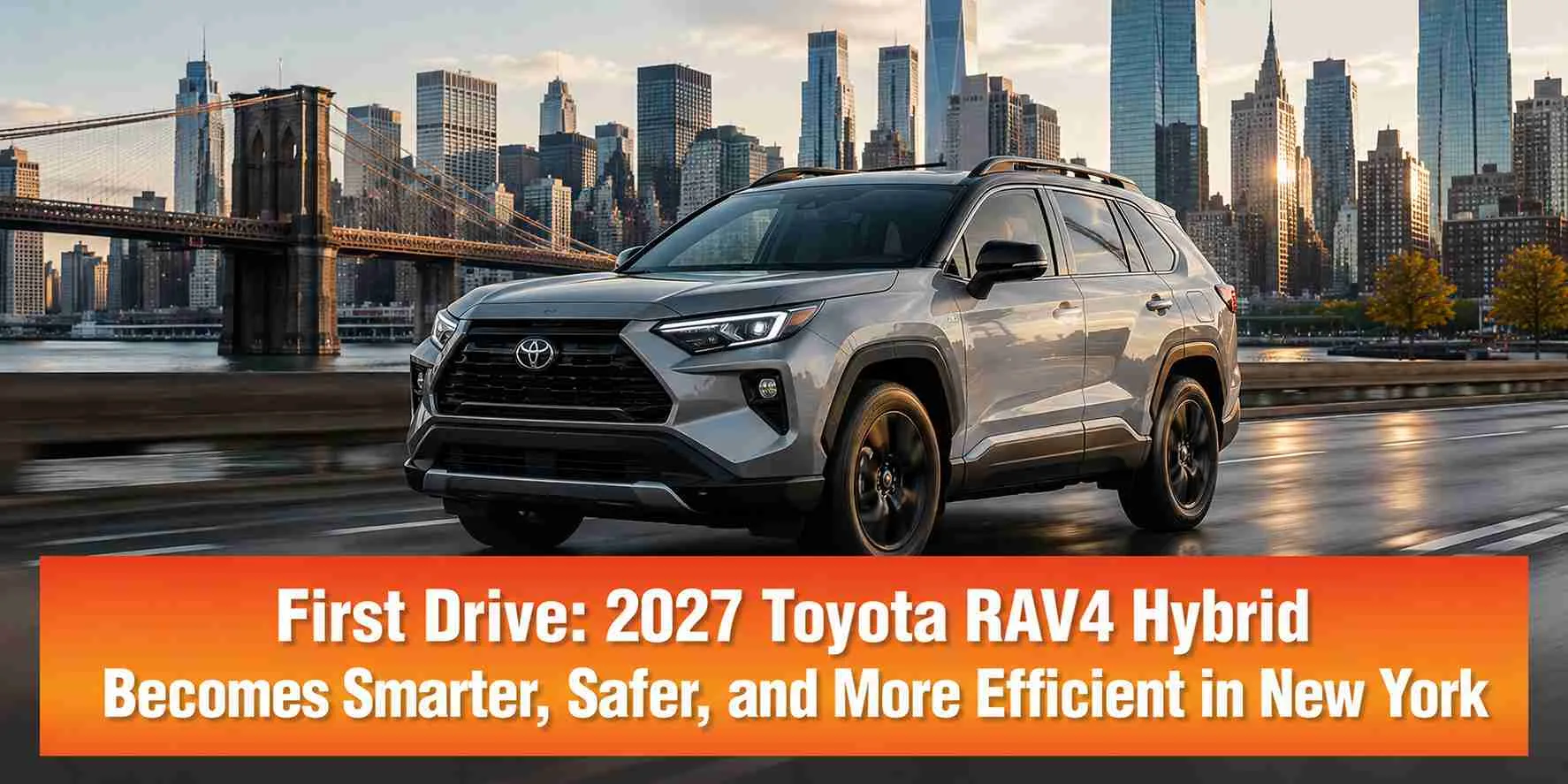
Toyota remains the industry’s benchmark, offering hybrid options across nearly every major segment.
Honda has transformed the CR-V Hybrid into one of its highest-selling models, while Hyundai and Kia continue introducing increasingly sophisticated turbocharged hybrid systems.
Ford has expanded hybrid availability beyond compact cars, offering electrified versions of trucks and SUVs that appeal to both families and commercial customers.
Instead of viewing hybrids as a temporary bridge toward full electrification, manufacturers increasingly recognize them as a long-term solution that satisfies current consumer expectations. That strategic shift has accelerated innovation, improved reliability, and increased model availability throughout the US market.
Hybrid Cars vs EVs: Which One Fits Your Lifestyle?
| Feature | Hybrid Cars | Battery Electric Vehicles |
|---|---|---|
| Average Driving Range | 500 – 600+ miles | 220 – 320 miles |
| Refueling / Charging | 3 – 5 minutes at any gas station | 20 – 45 minutes (DC fast charger) |
| Typical Purchase Price | Lower to moderate | Generally higher |
| Home Charger Required | No | Strongly recommended |
| Long Road Trips | Simple and convenient | Requires charging route planning |
| Fuel Economy | Excellent | No gasoline required |
| Daily Convenience | Familiar driving experience | Depends on charging availability |
| Best For | Families, commuters, road-trippers | Homeowners with reliable charging |
Why Millions of Americans Are Choosing Hybrid Cars in 2026
Several practical advantages continue to drive hybrid adoption across the United States.
- Lower Total Cost of Ownership: Hybrid vehicles generally cost less than comparable EVs while delivering substantial fuel savings over traditional gasoline-powered cars.
- Excellent Fuel Economy: Most modern hybrids achieve between 40 and 50+ MPG, helping drivers save hundreds of dollars annually on fuel.
- No Range Anxiety: Since hybrids combine gasoline and electric power, drivers never need to worry about finding a charging station during long trips.
- Strong Resale Value: High consumer demand and proven reliability help many hybrid models retain their value better than several competing vehicle types.
- Reduced Brake Wear: Regenerative braking helps extend brake pad life, lowering maintenance costs over time.
- Improved Reliability: Hybrid systems have matured significantly over the past two decades, with many models demonstrating exceptional long-term durability.
- All-Weather Confidence: Many hybrid SUVs include electronic all-wheel-drive systems that provide better traction in snow and wet conditions without dramatically affecting fuel economy.
- No Home Charging Installation: Owners can enjoy electrified driving without investing in charging equipment or upgrading household electrical systems.
Final Thoughts
The conversation around hybrid cars vs EVs has evolved significantly in 2026. Rather than replacing one another, both technologies now serve different types of drivers.
For buyers with dependable home charging and predictable daily commutes, electric vehicles remain an attractive option. However, for families, commuters, road-trippers, and budget-conscious shoppers, hybrid cars offer a compelling combination of fuel efficiency, affordability, convenience, and proven reliability.
As fuel prices fluctuate, financing costs remain elevated, and charging infrastructure continues to develop, hybrids provide an accessible path toward lower emissions without changing everyday driving habits.
Ultimately, the best vehicle isn’t necessarily the one with the newest technology, and it’s the one that best fits your lifestyle, budget, and long-term ownership goals.
Frequently Asked Questions
Are hybrid cars better than EVs for long-distance driving in 2026?
For many American drivers, yes. Hybrid cars offer 500+ miles of driving range, quick refueling at any gas station, and eliminate the need to plan trips around charging stations, making them ideal for frequent highway travel.
Which are the best hybrid SUVs and hybrid cars to buy in the US in 2026?
Top choices include the Toyota RAV4 Hybrid, Honda CR-V Hybrid, Toyota Grand Highlander Hybrid, Hyundai Tucson Hybrid, Hyundai Santa Fe Hybrid, Toyota Prius, and Ford Maverick Hybrid. These models stand out for fuel economy, reliability, safety features, and strong resale value.
Do hybrid cars require more maintenance than gasoline vehicles?
No. Hybrid vehicles follow maintenance schedules similar to conventional gasoline cars. Regular oil changes, tire rotations, and fluid inspections remain the same, while regenerative braking often reduces brake wear and can lower long-term maintenance costs.
Looking for more car buying guides, maintenance hacks, automotive news, and expert vehicle comparisons tailored for US drivers? Just have a look at Mr.Leecar Experts for the latest US car trends, practical car tips, vehicle launches, ownership advice, and industry insights that help you make smarter decisions every time you hit the road.