

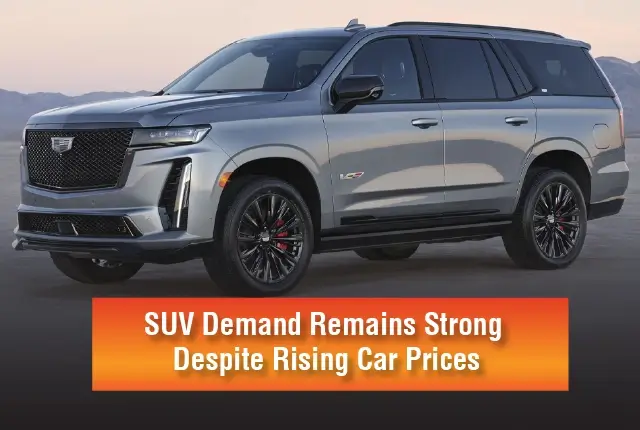
Walk into almost any dealership in America today, and you’ll notice something that seemed impossible just a few years ago: rows of SUVs sitting on lots waiting for buyers. Inventory has finally recovered from the supply shortages that defined the post-pandemic market. Yet despite fuller lots, SUV prices continue climbing, with many popular models carrying price tags that would have seemed unthinkable just five years ago.
The gap between rising prices and consumer expectations is fueling a major shift in the automotive landscape, with buyers becoming far more price-sensitive while still favoring SUVs. Rising interest rates, higher insurance costs, and ongoing inflation are forcing consumers to rethink their priorities. Instead of chasing the latest badge or the largest vehicle on the lot, buyers are focusing on value, fuel efficiency, practicality, and long-term ownership costs.
As a result, SUV demand trends for 2026 reveal a market that remains strong but is rapidly evolving. Consumers are adapting their purchasing behavior, manufacturers are refining their strategies, and dealerships are preparing for what many analysts expect could be a significant pricing correction heading into 2027.
The SUV Affordability Crisis 2026 Is Changing Buyer Behavior
The SUV affordability crisis of 2026 has become one of the biggest challenges facing both consumers and automakers. While demand for SUVs remains healthy, affordability is becoming increasingly difficult for average households.
The average transaction price for a new SUV now exceeds $61,000 in many parts of the United States. Full-size SUVs and premium models frequently surpass $70,000, pushing ownership beyond the reach of many middle-income buyers. Even compact SUVs that were once considered affordable family vehicles have seen substantial price increases over the past several years.
SUV Demand Trends 2026: Value Is the New Priority
The most important takeaway from SUV demand trends 2026 is that value has become the dominant purchasing factor.
Consumers still want the advantages that SUVs provide. SUVs continue to appeal to buyers because of their commanding road visibility, roomy cabins, versatile storage space, and everyday practicality for families and active lifestyles. What has changed is the way buyers evaluate those benefits.
Today’s shoppers are asking tougher questions before making a purchase. They want to know whether a vehicle will retain its value, how much it will cost to fuel, and whether the technology features genuinely improve the ownership experience.
Why Certain SUVs Continue to Dominate the Market?
Several vehicles have emerged as clear winners in 2026 because they align closely with what consumers now value most.
The Honda CR-V remains one of America’s most popular SUVs because it consistently delivers reliability, fuel efficiency, and strong resale value. Dependability and predictable long-term costs remain key factors driving buyer confidence in today’s economic conditions.
The Nissan Rogue has also maintained strong momentum by offering a competitive mix of technology, comfort, and affordability. For many families, it represents a practical alternative to higher-priced competitors.
Meanwhile, the Chevrolet Trax has become one of the market’s surprise success stories. As affordability concerns grow, buyers are increasingly attracted to compact SUVs that provide modern features without demanding luxury-level prices.
The Kia Telluride continues to attract attention as well. Its ability to deliver premium design, advanced technology, and upscale comfort at a price below many luxury competitors has helped it remain one of the most sought-after three-row SUVs in the country.
These models demonstrate a broader trend: consumers are rewarding vehicles that offer tangible value rather than simply chasing prestige.
Electric SUV Demand 2026: Growth Enters a New Phase
The electric SUV demand story in 2026 looks very different from the excitement-driven growth seen just a few years ago.
EVs are steadily expanding their presence in the market, but buyers are approaching the segment with greater scrutiny and real-world expectations. Instead of being motivated primarily by innovation, consumers are evaluating electric SUVs based on real-world considerations such as charging access, ownership costs, battery longevity, and daily usability.
Even as demand grows, high purchase prices remain one of the main barriers preventing broader adoption. While battery costs are gradually declining, many electric SUVs still carry price premiums compared to traditional gasoline-powered alternatives.
As a result, consumers are becoming increasingly selective about which electric vehicles truly offer long-term value.
Why Plug-In Hybrids Are Becoming a Smart Alternative?
For many American buyers, plug-in hybrid SUVs are emerging as the ideal middle ground.
These vehicles provide the benefits of electric driving for shorter daily commutes while maintaining the flexibility of a traditional gasoline engine for longer trips. This combination eliminates many of the concerns associated with charging availability and range limitations
As fuel prices remain unpredictable and consumers continue seeking greater efficiency, plug-in hybrids are attracting growing interest from buyers who want lower operating costs without making a full transition to electric vehicles.
Many industry analysts see plug-in hybrids as a practical transitional solution, helping consumers move toward electrification without sacrificing convenience.
What Could Happen to High-Priced SUVs in 2027?
The conversation surrounding high-priced SUVs in 2026 increasingly revolves around what happens next.
Many analysts believe that the market is approaching a correction. Rising inventory, consumer resistance to higher prices, and increased competition are creating conditions that may force manufacturers to rethink pricing strategies.
This does not necessarily mean vehicle prices will collapse. Instead, buyers may see stronger incentives, larger discounts, improved financing offers, and more aggressive lease programs as manufacturers compete for market share.
The companies most likely to succeed will be those that adapt to changing consumer expectations. Buyers are demanding value, and brands that fail to deliver it may struggle to maintain momentum.
2026 vs 2027 SUV Market Outlook
| Market Factor | 2026 Situation | Expected 2027 Trend |
| SUV Inventory | Rising | Higher availability |
| Vehicle Pricing | Historically High | Moderate price pressure |
| Dealer Incentives | Limited but returning | More aggressive discounts |
| Financial Rates | Elevated | Potential stabilization |
| Hybrid SUV Demand | Strong | Continued growth |
| Electric SUV Demand 2026 | Expanding steadily | Faster mainstream adoption |
Final Thoughts
Consumers continue to value the practicality, comfort, and versatility that SUVs provide. However, affordability concerns are reshaping how purchasing decisions are made. Buyers are prioritizing value, efficiency, and long-term ownership costs more than ever before.
The SUV affordability crisis of 2026 has forced both consumers and automakers to adapt, creating a market where smart purchasing decisions matter significantly more than brand prestige alone.
As inventory improves and competition intensifies, the balance of power may gradually shift back toward buyers. Those who approach the market strategically could find substantial opportunities over the next year. For manufacturers, the message is equally clear: the future belongs to vehicles that deliver genuine value, not simply higher price tags.
Frequently Asked Questions
Are there any affordable SUVs in 2026 that still offer good value?
Yes. Buyers looking for the best affordable SUVs for 2026 should consider models such as the Chevrolet Trax, Honda CR-V, and Nissan Rogue. These vehicles continue to offer strong reliability, practical features, and competitive pricing compared to many higher-priced alternatives.
Should I wait until 2027 to buy an SUV?
If your current vehicle is reliable and you can afford to wait, 2027 may offer improved incentives and dealer discounts. As inventory levels continue rising, many analysts expect additional pressure on high-priced SUVs in 2026, potentially creating better buying opportunities.
Is electric SUV demand in 2026 still increasing in the United States?
Yes. Electric SUV demand in 2026 continues to grow, although buyers are making more practical decisions based on charging infrastructure, battery costs, and long-term ownership value. Plug-in hybrid SUVs are also becoming increasingly popular among consumers seeking flexibility.
For more expert car-buying tips, US-based automotive trends, breaking car news, and upcoming vehicle launches, just have a look at Mr.Leecar Experts.


