

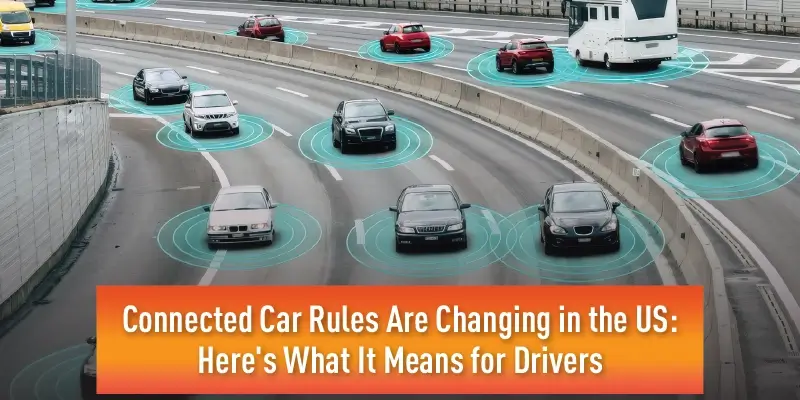
The modern automobile has undergone one of the most significant technological transformations in automotive history. What was once a purely mechanical machine has become an intelligent, software-powered device capable of communicating with cloud servers, smartphones, roadside infrastructure, and even other vehicles. Whether you’re driving a family SUV, an electric vehicle, or a fleet pickup, your vehicle is constantly generating and transmitting valuable data.
From GPS location and driving behavior to maintenance alerts and over-the-air software updates, today’s connected cars offer convenience that would have seemed impossible just a decade ago. Drivers can remotely start their vehicles, monitor tire pressure through mobile apps, receive predictive maintenance notifications, and even schedule service appointments automatically.
Over the last several years, investigations have revealed that some automakers shared telematics data with third-party companies, including consumer reporting agencies that support insurance providers. Many drivers were unaware that everyday driving habits such as hard braking, sudden acceleration, late-night trips, or frequent commuting could influence insurance risk assessments. At the same time, federal officials raised concerns about cybersecurity vulnerabilities and the growing dependence on foreign-developed software and hardware used in connected vehicle systems.
These regulations introduce stronger protections for vehicle data privacy, establish clearer rules for consumer consent, tighten cybersecurity standards, and reshape how automakers source connected vehicle technology. For manufacturers, dealerships, insurers, suppliers, fleet operators, and everyday drivers, the impact extends far beyond compliance. These changes are redefining how vehicles are designed, sold, insured, and maintained throughout the United States.
In this blog, we’ll explore what the new US connected car regulations mean, why they matter, and how they could influence everything from your insurance premiums to the future of connected mobility.
The Four Pillars of the New US Connected Car Regulations
Rather than focusing on a single issue, the latest regulatory framework addresses several interconnected challenges facing today’s automotive ecosystem.
| Regulatory Focus | What’s Changing | Why It Matters |
|---|---|---|
| Vehicle Data Privacy | Stronger consumer consent requirements for collecting and sharing connected vehicle data. | Gives drivers greater control over how personal information is used. |
| Insurance Data Transparency | Limits undisclosed sharing of telematics data used in insurance risk assessments. | Creates fairer and more transparent insurance practices. |
| Connected Vehicle Cybersecurity | Higher security standards for connected software, cloud systems, and OTA updates. | Reduces cybersecurity risks affecting vehicles and infrastructure. |
| Technology Supply Chains | Restrictions on connected vehicle technologies sourced from high-risk foreign entities. | Strengthens national security and long-term software reliability. |
1. Consumer Privacy Is Finally Taking Center Stage
One of the biggest changes under the new US connected car regulations is the increased emphasis on vehicle data privacy.
For years, many consumers assumed their connected vehicle only transmitted information necessary for navigation, diagnostics, or emergency services. In reality, connected cars often collected much more extensive information, including driving habits, vehicle usage patterns, and behavioral data generated through telematics systems.
Several investigations highlighted how some manufacturers shared this information with third-party data brokers that supplied driving reports to insurance companies. In many cases, consumers had little understanding that this information was being collected, much less shared beyond the automaker’s own ecosystem..
Instead of relying on broad, one-time consent, automakers are expected to obtain more meaningful authorization before collecting or sharing sensitive categories of connected vehicle data. Drivers should have a better understanding of what information is collected, why it is collected, who receives it, and how long it will be retained.
2. Hidden Insurance Data Sharing Faces Greater Scrutiny
One of the most widely discussed aspects of the latest US connected car regulations involves how connected vehicle data may influence auto insurance pricing.
Telematics programs have become increasingly popular because they allow insurers to reward safer driving with personalized premiums. These voluntary usage-based insurance programs can benefit responsible drivers who choose to participate.
Federal regulators have responded by placing greater emphasis on clear disclosures and informed consumer choice. Instead of relying on lengthy legal agreements hidden inside mobile applications or vehicle activation processes, manufacturers are expected to provide more transparent explanations before sensitive driving data is shared for commercial purposes.
3. Cybersecurity Is Now a National Priority for Connected Vehicles
While consumer privacy has dominated headlines, cybersecurity has become an equally important pillar of the new US connected car regulations. Today’s vehicles rely on millions of lines of software code to control everything from infotainment systems and navigation to advanced driver assistance systems, remote diagnostics, and over-the-air software updates. Every connected feature creates another entry point that must be protected against unauthorized access.
Unlike traditional vehicles, connected cars communicate continuously with cloud platforms, mobile applications, dealerships, emergency response systems, and manufacturers. This constant exchange of information delivers significant benefits, but it also increases the need for robust cybersecurity standards.
Recognizing these risks, the U.S. government has introduced new measures designed to strengthen the digital security of connected vehicles. Rather than reacting to cyber threats after they occur, regulators are encouraging automakers to adopt a “security by design” approach, where cybersecurity is integrated into every stage of vehicle development.
For consumers, these changes may not always be visible, but they are essential. Strong cybersecurity reduces the risk of unauthorized system access, protects sensitive vehicle data, and helps ensure that connected technologies remain reliable throughout the vehicle’s lifecycle.
Foreign Technology Restrictions Are Reshaping the Automotive Supply Chain
Another major component of the US connected car regulations focuses on the origin of connected vehicle hardware and software.
The U.S. Department of Commerce has introduced rules restricting certain connected vehicle technologies sourced from countries considered potential national security risks. These regulations primarily target Vehicle Connectivity Systems and Automated Driving Systems encouraging manufacturers to verify the security and integrity of their software and hardware supply chains.
For automakers, compliance goes far beyond replacing individual components. It requires comprehensive audits of software vendors, semiconductor suppliers, cloud service providers, and communication systems. Manufacturers must demonstrate that connected technologies meet evolving federal security expectations while maintaining performance and reliability.
How Drivers Can Protect Their Vehicle Data Today
Although many regulatory changes are being implemented over several years, vehicle owners don’t have to wait to improve their digital privacy. Taking a few proactive steps can significantly reduce unnecessary data sharing while helping you better understand how your connected vehicle operates.
- Review your connected services account. Log into your manufacturer's mobile app or owner portal and review which connected features are currently active.
- Manage telematics preferences. If you are enrolled in optional driver monitoring or usage-based insurance programs, confirm that you understand what data is being collected before participating.
- Request your vehicle data. Many manufacturers and consumer reporting agencies allow drivers to request copies of connected vehicle information associated with their account.
- Audit third-party applications. Review smartphone apps connected to your vehicle and disable background location permissions that are no longer necessary.
- Install software updates promptly. Keeping your vehicle's software current helps protect against known cybersecurity vulnerabilities while improving overall system performance.
These simple actions help ensure that you remain in control of your vehicle’s digital footprint while benefiting from connected technologies.
Also Read: Best Electric SUVs Under $50K in 2026
Final Thoughts
Connected vehicles are no longer just changing how Americans drive, and they are redefining how the automotive industry thinks about data, software, and customer relationships.
The latest US connected car regulations represent a major milestone in balancing innovation with accountability. Stronger privacy protections, improved cybersecurity standards, transparent data-sharing practices, and more secure technology supply chains are helping build a future where connected mobility is both smarter and safer.
For consumers, understanding these regulations means making informed decisions about connected services, vehicle privacy settings, and digital security. For automakers and industry professionals, it means embracing a future where trust, compliance, and cybersecurity are just as critical as engineering excellence.
As connected vehicles become the standard across the U.S. market, staying informed will be essential for everyone involved, from manufacturers and dealerships to fleet operators and everyday drivers.
Frequently Asked Questions
What are the new US connected car regulations?
The US connected car regulations are a series of federal measures that strengthen vehicle data privacy, cybersecurity, software supply chain security, and consumer transparency. They require automakers to improve consent practices, protect connected vehicle systems, and comply with stricter technology standards.
How do the new regulations affect connected vehicle privacy?
The new rules give consumers greater control over connected vehicle privacy by requiring clearer disclosures about data collection and sharing. Drivers can better understand what information their vehicle collects and, where applicable, manage privacy settings or request access to their stored data.
Why is cybersecurity important for connected cars?
Modern vehicles rely heavily on software, cloud connectivity, and wireless communication. Strong connected car cybersecurity helps protect vehicle systems from unauthorized access, secures personal information, supports safe over-the-air software updates, and improves the long-term reliability of connected technologies.
For more smart driving hacks, expert maintenance tips, U.S. automotive trends, breaking car news, and the latest vehicle launches, just have a look at Mr.Leecar Experts, your trusted source for everything driving the future of mobility.


