Driving in the U.S. often means relying on your vehicle for everything from the daily commute on congested freeways to long-distance weekend road trips. But even the most reliable cars eventually hit a point where they need professional attention. The real challenge for most drivers isn’t just finding a local mechanic to visit; it’s knowing exactly when to visit a car repair shop.
Should you pull over immediately when a light flickers, or can it wait until the weekend? This car maintenance decision blog breaks down the subtle signals your vehicle is sending.
The Warning Signs: Listen to Your Car
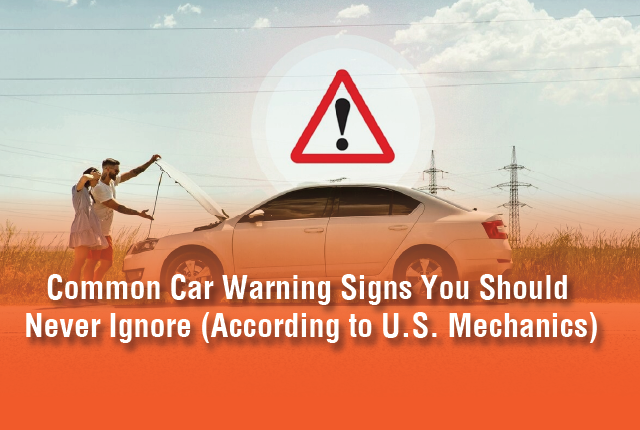
Before a total breakdown occurs, your vehicle usually tries to talk to you. Recognizing these car repair warning signs can be the difference between a $100 fix and a $3,000 engine overhaul.
1. The Dreaded Dashboard Symphony
The most obvious indicator is the dashboard. However, not all lights carry the same weight.
- Red Lights: These indicate a Stop Now situation. Issues like low oil pressure or high engine temperature are emergencies.
- Yellow/Amber Lights: These are quick check signals. While your car is still drivable, the car service timing is critical to prevent long-term damage.
2. Unusual Sounds and Vibrations
If your car starts making noises that belong in a percussion ensemble, take note:
- Squealing: Often points to worn brake pads or a loose fan belt.
- Grinding: This usually suggests metal-on-metal contact, often in the brakes or transmission.
- Thumping/Vibration: If your steering wheel shakes at high speeds, you likely need a tire balance or alignment.
Routine vs. Emergency Repairs: Know the Difference
Understanding the distinction between routine and emergency repairs helps you manage your budget and your schedule.
| Feature | Routine Maintenance | Emergency Repair |
| Goal | Prevention & Longevity | Restoring Functionality |
| Examples | Oil changes, tire rotations, filter swaps | Blown head gasket, brake failure, transmission slip |
| Timing | Scheduled | Immediate/Unplanned |
| Cost | Predictable and Low | High and Variable |
By following a consistent car maintenance decision guide, you can often flip emergencies back into the routine category by catching wear early.
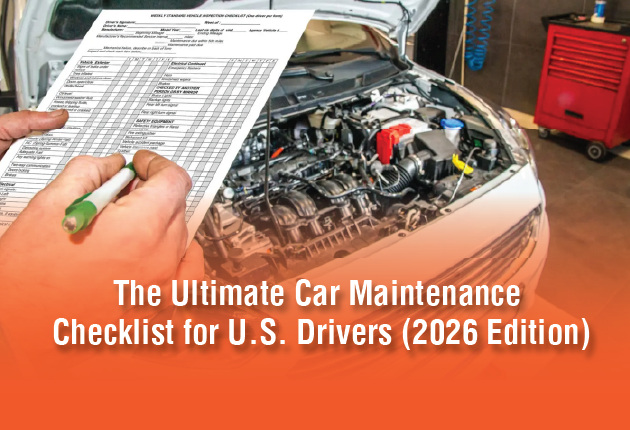
Your Car Mechanic Visit Checklist
When you finally decide it’s time for a local mechanic visit, don’t go in empty-handed. Use this mechanic visit checklist to get the best service:
- Note the Symptoms: When does the noise happen?
- Check for Leaks: Look under your parking spot. Is the fluid clear water/AC, amber oil, or bright green/pink?
- Check Your Records: Know when your last oil change and brake inspection occurred.
- Ask for an Estimate: A reputable shop will provide a written breakdown before starting work.
Expert Auto Repair Advice for US Drivers
In 2026, the average annual cost for car maintenance and unexpected repairs in the U.S. sits around $900 to $1,300. While that might seem steep, skipping your car service timing is much more expensive. For instance, a simple $150 coolant flush is a bargain compared to a $5,000 engine replacement caused by overheating.
The best auto repair advice? Don’t wait for the Check Engine light to be your alarm clock. If your fuel economy suddenly drops or your brakes feel spongy, these are clear signs you need car repair, even if the computer hasn’t caught up yet.
Final Thoughts: Proactive over Reactive
Deciding when to visit a car repair shop shouldn’t feel like a guessing game. While it is tempting to ignore a faint squeak or a tiny drop of oil on the driveway to save a few dollars today, U.S. road conditions and long commute distances make waiting it out a risky gamble.
By staying vigilant with your mechanic visit checklist and respecting your vehicle’s car service timing, you aren’t just protecting your wallet, but you’re ensuring your safety and the longevity of your investment. Remember, a well-maintained car isn’t just a machine; it’s your ticket to freedom on the open road. Don’t wait for a breakdown to take action; be the driver who catches the car repair warning signs before they become a roadside emergency.
Frequently Asked Questions
1. How do I know when to visit a car repair shop if no lights are on?
Trust your senses. If you smell burning rubber, feel a loss of power during acceleration, or hear new clicking sounds while turning, these are significant car repair warning signs that warrant a professional diagnostic.
2. What is the ideal car service timing for an older vehicle?
For cars over 10 years old or with 100,000+ miles, it’s wise to move from a 12-month inspection to a 6-month local mechanic visit. Older seals and hoses become brittle and require more frequent inspection to prevent leaks.
3. Is a Check Engine light always an emergency?
Not always, but it should never be ignored. If the light is steady, you should schedule a visit within the week. If the light is flashing, it indicates a serious misfire that could destroy your catalytic converter; in this case, pull over and seek emergency repairs immediately.
Looking for more pro-level hacks or the latest car tips? Have a look at Mr. Lee Car Experts for the latest US-based car trends, breaking car news, and new model launches!