Driving in the U.S. often means dealing with heavy commutes, diverse weather, and significant wear and tear on your vehicle. While modern engineering has come a long way, your car isn’t invincible. Recognizing common car problems before they turn into roadside nightmares is the hallmark of a savvy owner.
Whether you are staring at a mysterious dashboard icon or feeling a strange vibration in the steering wheel, this car troubleshooting guide is designed to help you navigate common car issues while providing actionable car maintenance tips to keep you moving.
1. The Mysterious Check Engine Light
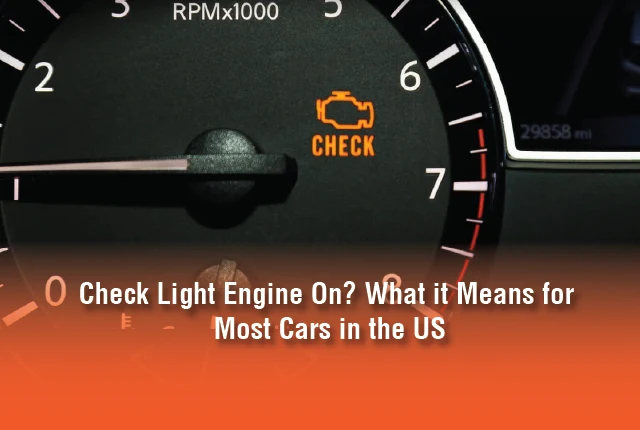
For many, the check engine light meaning is a source of instant anxiety. This orange glow is your vehicle’s way of signaling that the onboard computer has detected a fault in the engine or emissions system.
- The Root Cause: This can range from something as minor as a loose gas cap to serious engine problems in cars, like a failing catalytic converter or a faulty oxygen sensor.
- The Proactive Strategy: Always ensure your fuel cap is clicked tight after a fill-up. If the light appears, don’t panic; just get an OBD2 scan at a local parts store to identify the specific code. Addressing a sensor issue early can prevent your fuel economy from tanking.
2. Squeaky or Failing Brakes
Nothing is more critical to your safety than your stopping power. Recognizing brake problems symptoms early can save you from a dangerous situation and a massive repair bill.
- The Root Cause: Usually, a high-pitched squeal means your brake pads have worn down to the wear indicator, while a grinding sound suggests metal-on-metal contact.
- The Proactive Strategy: Incorporate regular inspections into your vehicle maintenance tips routine. Replace your pads every 20,000 miles or sooner if you do heavy city driving, and ensure your brake fluid is flushed according to your manufacturer’s schedule to prevent internal corrosion.
3. Battery and Charging Failures
Whether it’s the freezing winters of the North or the blistering heat of the South, U.S. climates are notoriously hard on car batteries.
- The Root Cause: Chemical breakdown within the battery or a failing alternator that isn’t recharging the system while you drive.
- The Proactive Strategy: Keep your battery terminals free of white, crusty corrosion by cleaning them with a mixture of baking soda and water. Most auto repair tips suggest testing your battery’s cranking power every three years to avoid being stranded in a parking lot.
4. Overheating Engines
If you see steam rising from the hood or your temperature needle climbing into the red zone, you are facing one of the most urgent common car issues.
- The Root Cause: Usually, this is triggered by a leak in the cooling system, a radiator blockage, or a failed water pump.
- The Proactive Strategy: Regularly check your coolant reservoir levels only when the engine is cool. Inspect your rubber hoses for cracks or soft spots and have your cooling system pressure-tested if you notice any puddles of bright green or pink fluid on your driveway.
5. Rapid Tire Wear and Poor Alignment
U.S. roads are famous for potholes, and hitting just one can throw your entire suspension out of whack, leading to costly tire replacements.
- The Root Cause: Misalignment or improper inflation leads to cupping or uneven wear on the tread, which reduces traction and fuel efficiency.
- The Proactive Strategy: Check your tire pressure monthly and don’t wait for the light to come on. Rotating your tires every 5,000 to 8,000 miles ensures they wear evenly, extending their life by thousands of miles.
6. Alternator Complications
The alternator acts as the main power source for your vehicle once the engine is running. If it fails, your car will eventually die even if you have a brand-new battery.
- The Root Cause: Internal components like the voltage regulator or brushes wear out, leaving the car to run solely on battery power until it’s depleted.
- The Proactive Strategy: Pay attention to dimming headlights or a flickering dashboard. If your electronics seem sluggish, have a technician perform a charging system test during your next oil change as part of your car repair guide checklist.
7. Transmission Slipping or Hesitation
Transmission issues are often the most feared car problems and solutions because of the potential cost, but many can be avoided with basic care.
- The Root Cause: Overheating fluid or low fluid levels due to a slow leak can cause the gears to slip or hesitate during acceleration.
- The Proactive Strategy: Check your transmission fluid periodically. It should be a translucent red; if it’s dark brown or smells burnt, it’s time for a service. Avoid heavy towing beyond your vehicle’s rated capacity to keep the internal heat down.
The Road Ahead: Turn Car Problems Into Preventable Fixes
Most car problems don’t appear out of nowhere; they build slowly, sending signals long before a breakdown leaves you stranded on a U.S. highway or stuck in rush-hour traffic. Learning to recognize common car problems early, from warning lights to subtle vibrations, gives you control over your vehicle’s health and your repair costs.
By following a practical car troubleshooting guide, staying consistent with preventive maintenance, and responding quickly to small issues, you can avoid the most expensive and inconvenient repairs. Regular inspections, fluid checks, and attention to unusual sounds aren’t just good habits; they’re the difference between routine upkeep and emergency repairs.
Owning a car in the U.S. means facing tough roads, changing climates, and heavy daily use. The good news? With the right knowledge and proactive care, you can keep your vehicle reliable, efficient, and road-ready for years to come.
Frequently Asked Questions
1. What are the most frequent common car problems for daily commuters?
The most common car problems for commuters are battery failure, tire damage from road debris, and overheating due to stop-and-go traffic. Following a consistent car troubleshooting guide can help catch these before they cause a breakdown.
2. How do I know the specific check engine light meaning for my vehicle?
Every car has a unique set of P-codes. You can find the check engine light meaning by plugging a diagnostic tool into the port under your dashboard. This is a core part of any modern car repair guide.
3. What are the best vehicle maintenance tips to avoid engine failure?
To prevent major engine problems in cars, prioritize regular oil changes, maintain the cooling system, and replace your timing belt at the recommended interval. These simple steps are the most effective car maintenance tips for longevity.
For more expert car care tips, real-world troubleshooting advice, and the latest U.S. automotive updates, be part of the discussion at Mr.Lee Car Experts, your trusted source for smarter driving decisions.