Driving in the United States offers a unique set of challenges. Depending on where you live, you might be navigating a blinding Minnesota blizzard in January or cruising through a scorching 100°F Arizona heatwave by July. Because of these geographical extremes, seasonal car maintenance isn’t just a suggestion; it’s a necessity for your safety and your wallet.
Extreme temperatures affect your vehicle’s chemistry, rubber components, and mechanical systems in vastly different ways. To help you stay ahead of the curve, we’ve broken down the essential winter car maintenance and summer car maintenance steps every American driver should follow.
The Cold Truth: Winter Car Maintenance Tips
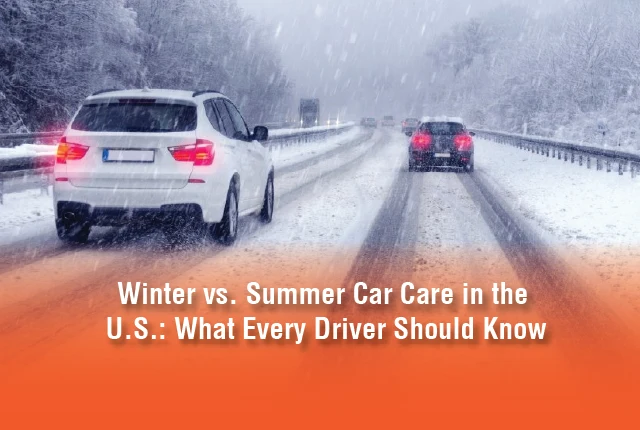
When the mercury drops, your car has to work twice as hard. Fluids thicken, batteries lose their zip, and the air in your tires literally shrinks. To avoid being stranded in the cold, follow this cold-weather car maintenance guide:
1. Prioritize Your Battery
Cold weather is the natural enemy of the car battery. At 32°F, a battery loses about 35% of its strength. By 0°F, it loses up to 60%. As part of your winter car care tips, always have a professional load test your battery before the first frost. If it’s over three years old, a replacement is often the safest bet.
2. Tire Traction and Pressure
For every 10-degree drop in temperature, your tires can lose 1-2 pounds of pressure. Driving on underinflated tires reduces traction and increases wear. If you live in the Snow Belt, switching to dedicated winter tires is a vital part of seasonal vehicle maintenance. Unlike all-season tires, winter tires use a special rubber compound that remains flexible in freezing temperatures, providing better grip on ice.
3. Fluids and Visibility
- Antifreeze: Ensure your coolant-to-water ratio is 50/50 to prevent the engine block from freezing.
- Wiper Fluid: Switch to a winter-grade fluid that won’t freeze on your windshield.
- Oil: Consider a lower-viscosity oil if your manufacturer recommends it, as it flows more easily during a cold start.
Beating the Heat: Summer Car Care Tips
While winter is about starting, summer is about cooling. High temperatures can lead to engine meltdowns and tire blowouts if you aren’t prepared. Use these hot-weather car maintenance strategies to keep your cool:
1. The Cooling System Flush
Engine overheating is the primary cause of car breakdowns during hot summer conditions. Your summer car maintenance checklist must include a cooling system inspection. Check your hoses for soft spots or cracks and ensure your coolant isn’t discolored. A system flush every two years is a standard part of a healthy car maintenance checklist.
2. Tire Expansion
Unlike winter, summer heat causes air to expand. Overinflated tires can lead to a bouncy ride and, in extreme cases, a blowout on hot asphalt. Check your pressure in the morning when the tires are cool to get an accurate reading.
3. Protecting the Exterior and Interior
The U.S. sun is brutal on paint and dashboards. UV rays can cause paint to oxidize and leather to crack.
- Waxing: A fresh coat of wax acts as sunsheild for your car.
- Sunshades: Using a windshield sunshade can lower interior temperatures by over 40°F, protecting your electronics and upholstery.
The Middle Ground: Preparing for the Transition
Often, the most damage occurs during the transition between seasons. This is why vehicle maintenance tips often emphasize the importance of the Spring and Fall Tune-up.
During these shoulder seasons, you should focus on your vehicle’s filtration and braking systems. For instance, replacing your cabin air filter in the spring ensures that pollen and allergens stay out of your lungs, while a fall brake inspection ensures that your pads have enough meat to handle the slick, icy roads ahead.
Furthermore, always check your lights. As the days get shorter in the autumn, having a burnt-out headlight isn’t just a ticket risk; it’s a major safety hazard. This proactive approach to car maintenance tips keeps you one step ahead of the weather.
The Road Ahead: Seasonal Car Maintenance
Mastering seasonal car maintenance is about being proactive rather than reactive. By spending a little time and money on car maintenance tips today, you avoid the emergency mechanic visits that always seem to happen at the worst possible time. Whether you’re prepping for a cross-country summer road trip or winterizing for a mountain commute, your vehicle will thank you for the extra attention.
Frequently Asked Questions
1. Is seasonal car maintenance really necessary if I have a new car?
Absolutely. While newer cars are more resilient, extreme U.S. temperatures still affect tire pressure, battery chemistry, and fluid viscosity. Following a seasonal vehicle maintenance schedule ensures your warranty remains valid and prevents premature wear on expensive modern components.
2. How often should I check my tire pressure during seasonal changes?
Experts recommend checking your tire pressure at least monthly to maintain safety and fuel efficiency.. However, during the transition between fall and winter, or spring and summer, check it weekly. Rapid temperature swings can cause significant PSI fluctuations that affect your fuel economy and safety.
3. Can I use the same windshield wiper fluid all year?
It’s better to switch. Summer fluids are formulated to dissolve bugs and road grime, while winter fluids contain de-icer to prevent the liquid from freezing at sub-zero temperatures. Using the wrong one can lead to a smeared, frozen windshield during a storm.
For expert car hacks, DIY tips, and the latest U.S. auto news and launches, check out Mr. Lee Car Experts insights.